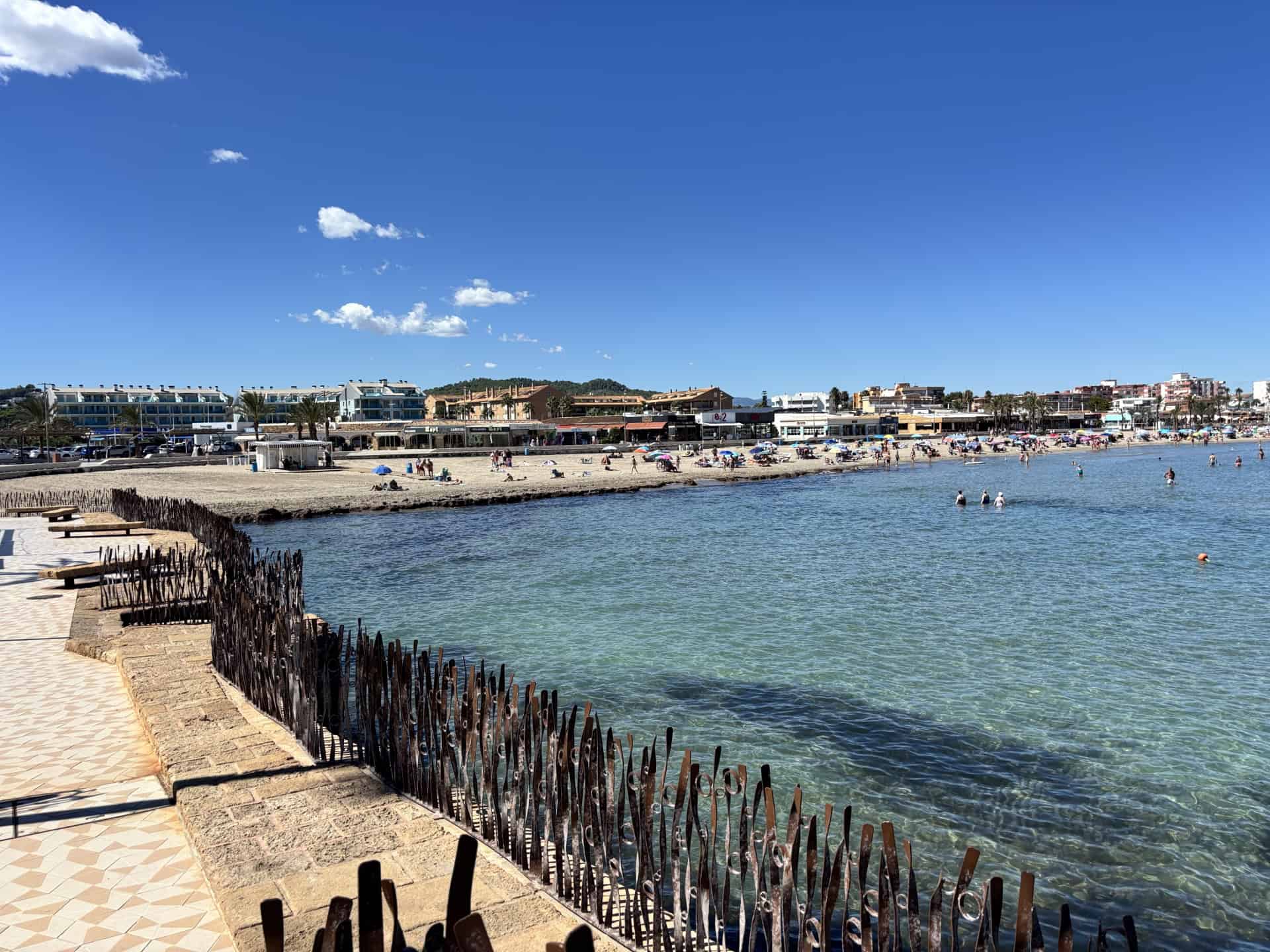
Javea is small on a map but complicated when you start choosing where to live. The headlands, the mountain, the coastal wind and the way the land rises and dips all change how warm or cold each street feels. Two villas that look identical online can live completely differently in November. Two apartments in the same block can behave differently depending on which side faces the sea breeze.
If you are researching from abroad, this guide gives you the detail people only learn after they move in. Most people at this stage are trying to understand how different parts of the town work before looking at the range of property in Jávea in more detail.It is written from lived experience rather than brochure talk, with a focus on how each part of Javea actually feels day to day.
How Javea Really Breaks Down
Everything revolves around three cores: Arenal, the Port and the Old Town. These are not tourist zones. They are the daily-life anchors of the town.
Arenal
The sandy beach, the flat ground and the year round cafés make Arenal the easiest area to settle into. What many buyers miss is how much Arenal shifts from east to west.
The section near Masymas is the most practical and stays warmer in late afternoon sun.
The streets directly behind the promenade can echo on certain nights when the sea breeze carries sound inland.
Some older blocks near the park hold humidity in winter unless the exterior has been sealed properly.
In late August you can feel temperature drop as you walk from the seafront towards Cami Cabanes because the airflow changes.
Port (Duanes del Mar)
The Port is where Javea lives at its most natural pace. Locals out early, kids walking to school down the side lanes, and the harbour pulling in a breeze every afternoon.
Second line blocks are usually better insulated than the premium frontline ones, especially those built in the late 70s.
Parking pressure changes dramatically after 6pm.
Winter sun varies street by street as the headland casts a wide shadow across part of the promenade.
On windy days the temperature drops fast near the marina but rises again two blocks inland.
Old Town (Centro Histórico or Pueblo)
Stone buildings, shaded lanes and the echo of shoes on cobbles. The Old Town feels like the real centre of Javea.
Some uphill lanes stay surprisingly warm in winter because they catch late morning sun.
Some downhill lanes never get direct sun at all, and you can feel the temperature dip as you walk through them.
Noise behaves strangely here. One narrow street can be silent. The next can carry sound like a tunnel.
Older flats with thick stone walls stay cool in summer without air conditioning, but can take a while to warm up in winter.
Neighbourhoods That Look Similar but Live Very Differently
These villa zones form the majority of Javea’s housing. They look alike on listings but not in real life.
Montgó (South, Mid and North Slopes)
Montgó is three different experiences.
• South side
Longer sun hours, warm terraces even in January and much less condensation.
The air here feels different after rain. Drier and “lighter.”
• Mid slopes
Every street is its own microclimate.
A house on one side gets afternoon sun.
The house opposite can be in shadow by early afternoon.
Buyers often do not realise until their first winter.
• North slopes
Cooler, shaded and brilliant in summer.
You feel the cold at night more here in winter, but you also get some of the best views.
Balcón al Mar
Bright light, big sky and a constant breeze.
The sea wind cools evenings quickly even in early summer.
The lighthouse road can get a bit busier at certain hours, but the residential streets are still some of the quietest in Javea.
Cap Martí
Feels like a collection of small pockets rather than one zone.
Some streets get warm winter sun from early morning.
Others sit just behind small ridges and stay cooler.
You can sometimes feel a small “wind shift” as you turn certain corners.
Tosalet
Quiet, green and steady.
The mature trees keep summers cooler but can also hold moisture after heavy rain.
Older villas here were often built with good proportions and thicker walls.
A genuine year round residential feel.
La Lluca
One of the most well maintained areas in Javea.
Consistent sun, tidy streets, and a settled year round culture.
A safe choice for people who want stability.
Pinosol
Close to Arenal but far enough to avoid the buzz.
Gentle slopes, a mix of modern and older villas.
Many streets get soft morning sun and stay bright until mid afternoon.
Rafalet
Often overlooked but solid.
Good sun on many streets, calmer nights, and better value than the headline areas.
Worth serious consideration.
Adsubia
A mix of great and average pockets.
Some parts are warm and open.
Others fall into shade earlier.
Orientation is everything here.
Understanding Build Eras in Javea
Construction quality depends heavily on the decade.
• Late 70s
Thick walls, dependable insulation, fewer large windows.
Often better winter homes.
• Late 90s to early 2000s
More terraces, lighter builds, better layouts but mixed thermal performance.
• 2003 to 2008 boom
Attractive designs but inconsistent insulation.
Some blocks near Arenal from this era get cold in winter.
• Post 2015
Better glazing, cleaner lines, stronger insulation.
Often the warmest homes year round.
Knowing the build era stops you making assumptions from photos.
What Property Really Looks Like in Each Area
Arenal
Modern apartments, lift buildings, terraces with solid afternoon sun and shared pools.
Some second line blocks get excellent cross-breeze in summer.
Port
Older blocks that stay warm in winter, newer builds with bigger terraces and a few frontline modern units.
Check parking before you fall in love.
Old Town
Townhouses, restored stone homes and older apartments.
Shade in winter, comfort in summer.
Heating needs vary by street.
Montgó and Upper Javea
Detached villas with plots.
Orientation dictates heating bills.
South slopes are warmest in winter.
Balcón al Mar / Cap Martí / Tosalet
Sea view villas, set-back houses, consistent breeze, mixed ages.
Great for people who prefer quiet nights.
La Lluca / Pinosol / Rafalet / Adsubia
Stable residential zones with good year round living potential.
Suitable for families and retirees who want calm streets.
Microclimates: The Subtle Differences That Matter in Javea
Montgó bends weather in ways buyers underestimate.
• South side is noticeably warmer in winter afternoons.
• North side can feel like a different season at night.
• Arenal cools fast after sunset because it is open.
• Old Town lanes hold cool air and lose sun early.
• Balcón al Mar has a sea breeze most days.
• Cap Martí changes temperature within a minute’s walk.
If you live here full time, these matter more than the property photos.
Noise, Traffic and Daily Life
• Arenal is at its peak in July and August, day and night.
• Port stays active but steady year round.
• Old Town echoes differently street to street.
• Montañar road slows to a crawl in high summer.
• Balcón al Mar stays calm even in peak season.
• Rafalet and La Lluca remain consistently quiet.
• Pinosol varies by orientation.
These patterns shape comfort more than most people expect.
Where Each Lifestyle Fits Best
• Families
Arenal, Pinosol, Cap Martí, Tosalet.
• Retirees
La Lluca, Montgó South, quieter Cap Martí streets, Old Town.
• Winter Living
Montgó South, La Lluca, warm pockets of Adsubia.
• Walk Everywhere People
Port, Arenal, Old Town.
• People Who Want Stillness
Rafalet, La Lluca, Balcón al Mar.
• Best Value
Rafalet, Adsubia, Montgó North.
Local Buyer Mistakes and Blind Spots
• A “sea view” can be a thin sliver between roofs.
• Winter shade can swallow a terrace from November until March.
• Build quality varies wildly inside Arenal.
• Balcony orientation decides winter liveability.
• Cap Martí wind behaviour changes every few streets.
• Old Town warmth depends on facade and lane angle.
• Montgó North needs strong heating planning.
• Rafalet has better sun than its reputation suggests.